

Tanzania Trekking Destination
- Home
- /
- Mountain Climbing Destinations

FIND YOUR TRAIL
From Africa’s Highest Summit to Hidden Highland Paths
Tanzania’s trekking destinations offer much more than reaching a summit. Every trail reveals changing landscapes, local cultures, remarkable wildlife and a different side of the country.
Choose an iconic mountain challenge, a scenic highland walk or a rewarding rainforest adventure.
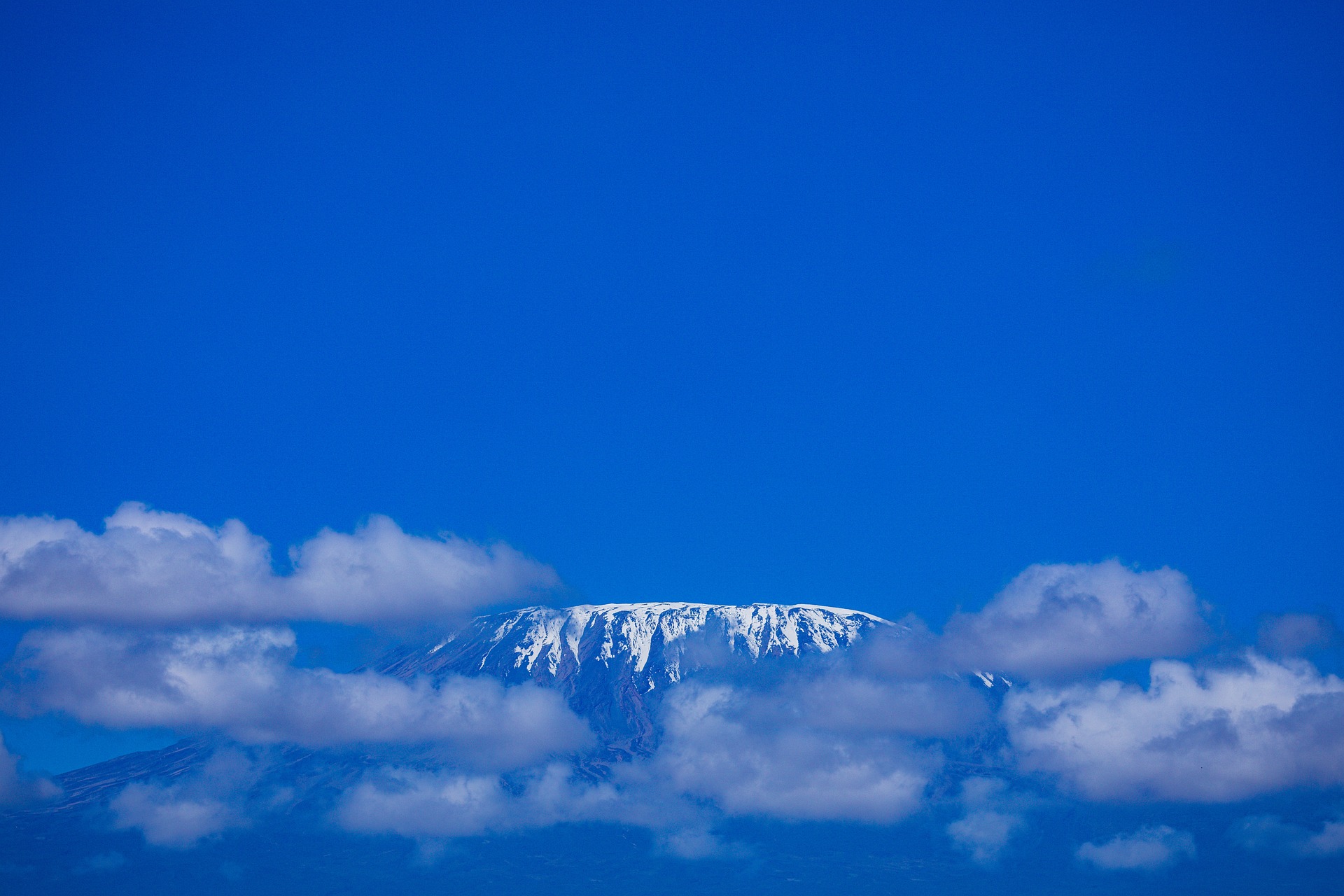
Mount Kilimanjaro
Climb through rainforest, heath, moorland and alpine desert before reaching Uhuru Peak, the highest point in Africa at 5,895 metres.
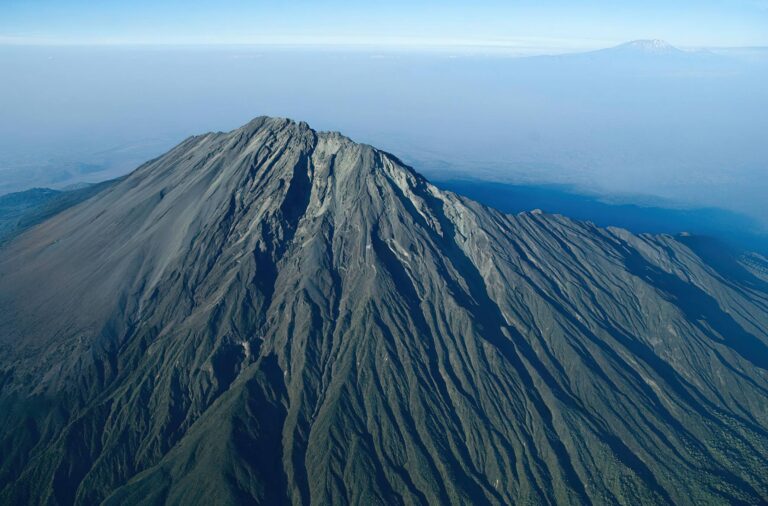
Mount Meru
Rising above Arusha National Park, Mount Meru combines mountain trekking with beautiful forests, wildlife-rich lower slopes and dramatic volcanic scenery.
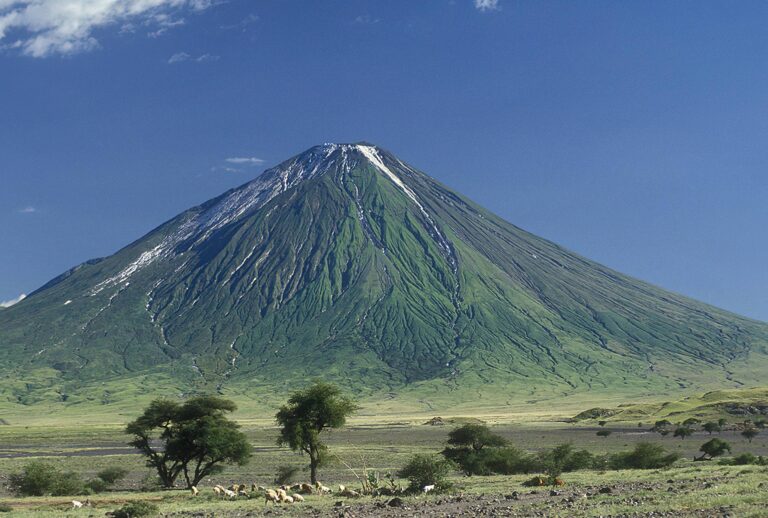
Ol Doinyo Lengai
Climb one of Tanzania’s most distinctive mountains in the dramatic Great Rift Valley. Ol Doinyo Lengai is an active volcano regarded by the Maasai as the “Mountain of God.”
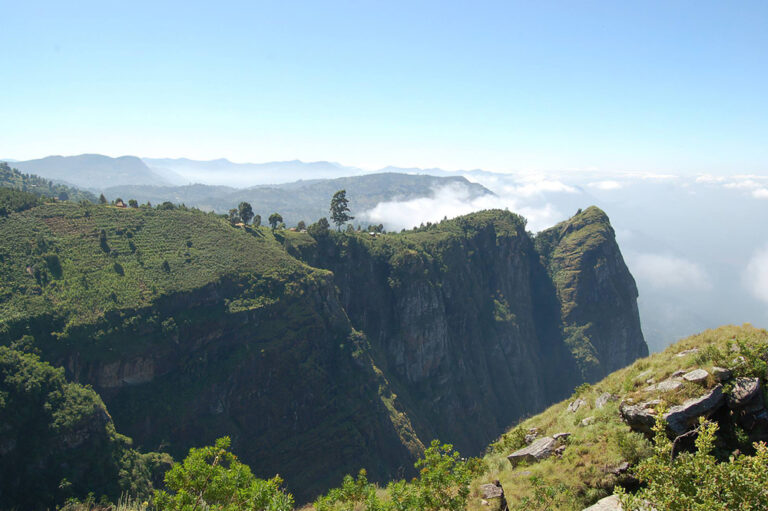
Usambara Mountains
Discover green mountain landscapes, forest paths, farming communities and wide viewpoints in northeastern Tanzania.
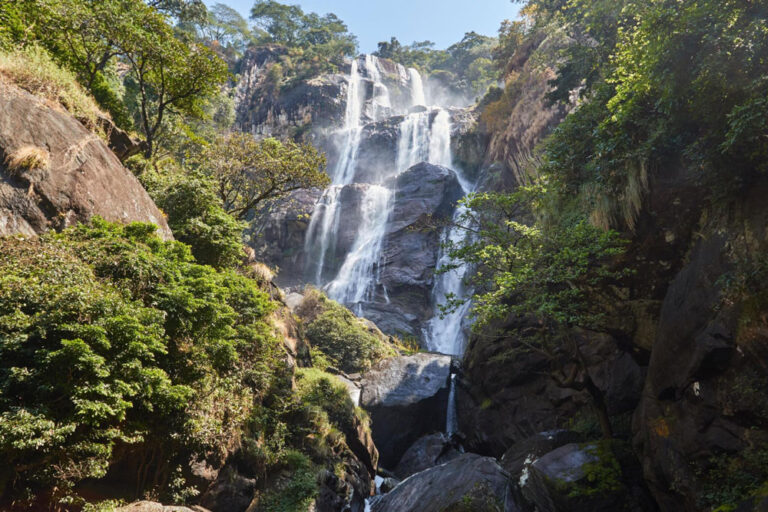
Udzungwa Mountains
Explore one of Tanzania’s most rewarding destinations for forest trekking. Udzungwa Mountains National Park protects rich rainforest, endemic wildlife, dramatic escarpments and beautiful waterfalls.
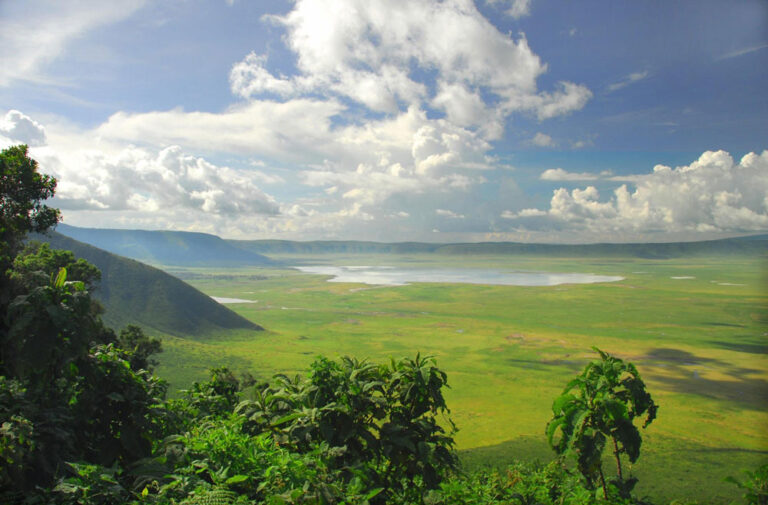
Ngorongoro Highlands
Trekking possibilities include Olmoti Crater, Empakaai Crater and longer highland routes towards Lake Natron. These guided journeys combine natural scenery with meaningful insight into the people and landscapes of northern Tanzania.
Every Season Brings a Different Trekking Experience
Tanzania offers trekking opportunities throughout the year, but trail conditions, visibility, rainfall and temperatures vary between seasons and destinations. January to March and June to October are generally the most popular periods for major mountain climbs.
Clear Mornings and Popular Summit Climbs
The beginning of the year often brings relatively dry mountain conditions, clearer mornings and warmer temperatures on the lower slopes. High-altitude sections remain very cold, especially at night.
Green Landscapes and Quieter Trails
The long rains transform forests and highlands into lush landscapes. Lower mountain trails can become muddy and slippery, while cloud cover may reduce visibility on higher routes.
Excellent Conditions Across Tanzania
This is one of Tanzania’s most popular trekking periods. Conditions are generally drier, and many mountain, forest and highland trails are easier to navigate. Nights remain cold at higher elevations.
Fresh Scenery and Quieter Adventures
Intermittent showers refresh Tanzania’s forests and highlands. Conditions vary between destinations, but this can be a rewarding period for travelers who prefer quieter trails and greener scenery.
Conditions vary by altitude, destination and route. We will recommend a suitable trekking period based on your chosen trail, experience, available time and preferred conditions.
Let us match your dates with the right Tanzania trek.
CHOOSE YOUR TREKKING STYLE
Three Distinct Ways to Trek Across Tanzania
Whether you want to stand on a major summit, walk through culturally rich highlands or follow forest trails to hidden waterfalls, Tanzania has a trekking experience for you.
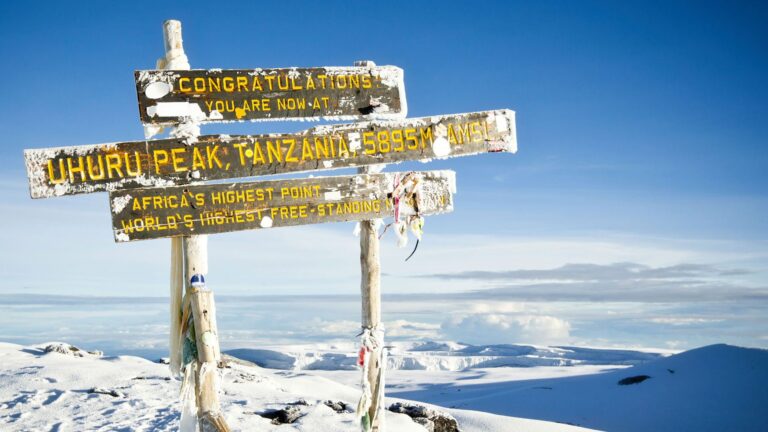
High-Altitude Summit Treks
Challenge yourself on Tanzania’s most iconic mountains. These treks reward preparation, patience and determination with extraordinary landscapes and memorable summit moments.
Kilimanjaro offers a longer high-altitude expedition, Mount Meru combines wildlife and volcanic scenery, while Ol Doinyo Lengai delivers a shorter but exceptionally steep volcanic climb.
Destinations
Mount Kilimanjaro • Mount Meru • Ol Doinyo Lengai
Best for:
Summit seekers, active travelers and high-altitude adventurers.
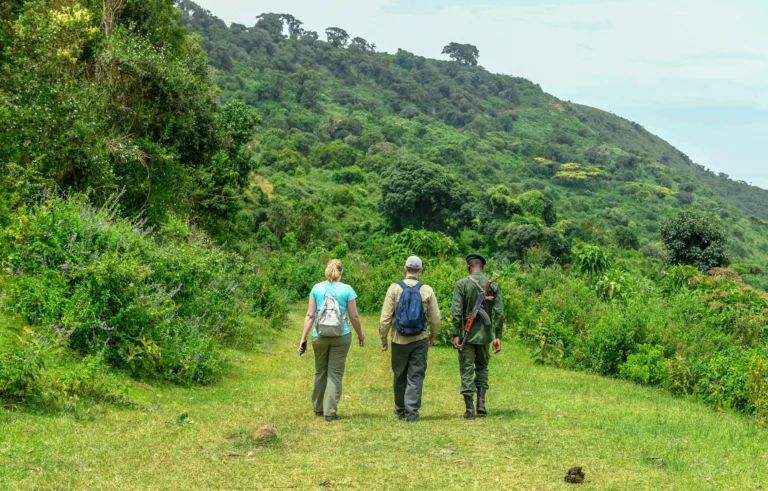
Highland and Cultural Trails
Walk through fertile highlands, rural communities, crater landscapes and scenic mountain villages.
These journeys offer a slower and more personal way to understand Tanzania. They can combine hiking with community visits, local history, viewpoints and cultural experiences.
Destinations
Ngorongoro Highlands • Usambara Mountains • Mount Hanang
Best for:
Cultural travelers, moderate hikers and visitors interested in local life.
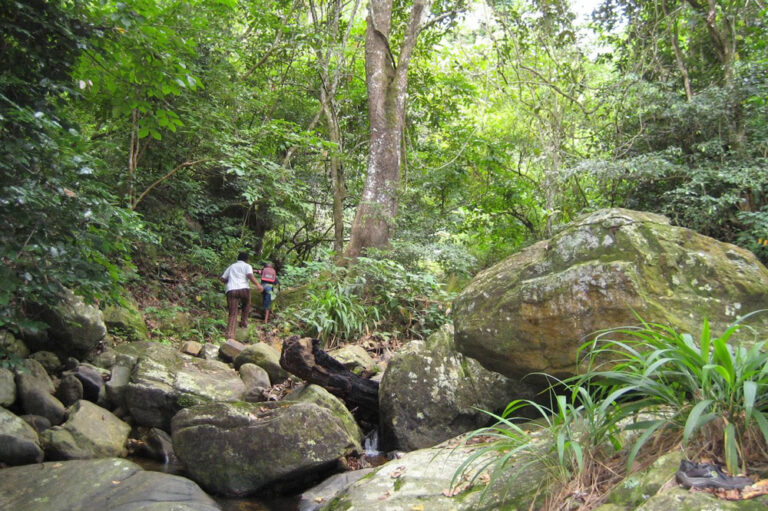
Forest and Waterfall Adventures
Follow trails through rainforest, flower-rich grasslands and remote mountain ecosystems.
These treks focus less on reaching a major summit and more on discovering biodiversity, waterfalls, primates, birdlife and peaceful natural environments.
Destinations:
Udzungwa Mountains • Kitulo Plateau • Mahale Mountains
Best for:
Nature lovers, photographers, families and rainforest hikers.
Tanzania Trekking Destination FAQs
Find practical answers about choosing a destination, preparing for altitude, comparing trekking routes and planning your Tanzania mountain adventure.
Let Us Help You Choose
Tell us your travel dates, available time, fitness level and previous hiking experience. We will recommend a suitable Tanzania trek.
Plan My Trek → WhatsApp: +255 686 669 67701 What are the best trekking destinations in Tanzania?
Tanzania’s leading trekking destinations include Mount Kilimanjaro, Mount Meru, Ol Doinyo Lengai, the Usambara Mountains, Udzungwa Mountains and the Ngorongoro Highlands. Other options include Mount Hanang, Kitulo Plateau and forest treks in western Tanzania.
02 Which Tanzania trek is suitable for beginners?
The Usambara Mountains, selected Udzungwa trails and shorter Ngorongoro Highland walks are suitable starting points for many travelers. The right choice depends on your fitness, available time and comfort with elevation.
03 Is climbing Mount Kilimanjaro technically difficult?
The main Kilimanjaro trekking routes generally do not require technical climbing skills. However, the altitude, cold temperatures and consecutive trekking days make it a serious physical challenge requiring preparation and a sensible itinerary.
04 What is the difference between Kilimanjaro and Mount Meru?
Kilimanjaro is Africa’s highest mountain and normally requires a longer itinerary. Mount Meru is lower and generally completed in three or four days, with a trail passing through the landscapes of Arusha National Park.
05 How many days should I plan for Kilimanjaro?
Kilimanjaro routes commonly take between five and nine trekking days. Longer routes usually provide more time for gradual altitude adjustment and a more comfortable walking pace.
06 When is the best time to trek in Tanzania?
January to March and June to October are generally popular for Kilimanjaro, Mount Meru and other mountain treks. Forest and highland destinations can be visited during other months, although rain may make some trails wet or slippery.
07 How fit do I need to be?
Fitness requirements depend on the destination. Scenic day hikes require moderate walking fitness, while Kilimanjaro, Mount Meru and Ol Doinyo Lengai require greater stamina and focused physical preparation.
08 Should I be concerned about altitude?
Altitude is an important consideration on Kilimanjaro and Mount Meru. A gradual itinerary, sensible walking pace and clear communication with your guide are essential. Travelers with health concerns should consult a qualified healthcare professional before undertaking a high-altitude trek.
09 Do I need a guide or trekking permit?
Requirements vary by destination. Treks inside national parks and conservation areas generally require permits and approved guiding arrangements. Coming Up Adventure can organize the necessary permits, guides and support services.
10 Can I combine trekking with a safari or Zanzibar?
Yes. Popular combinations include Kilimanjaro with a Northern Tanzania safari, Mount Meru with Arusha National Park, or a mountain climb followed by a Zanzibar beach holiday.
Ready to Walk Beyond the Ordinary?
Whether you dream of standing on the summit of Kilimanjaro, exploring the forests of Udzungwa or walking through Tanzania’s volcanic highlands, Coming Up Adventure will help you plan every step.
Tell us your preferred destination, travel dates, available time and trekking experience. We will create a personalized journey around your goals and preferred pace.